demo page

Tell the story.
Create. Produce. Perform.
Tell the story.
Digital Media Arts at Southern University is built for students who want to create. Our students learn how to tell stories through film, audio, design, sports media, live production, performance, and emerging digital tools.
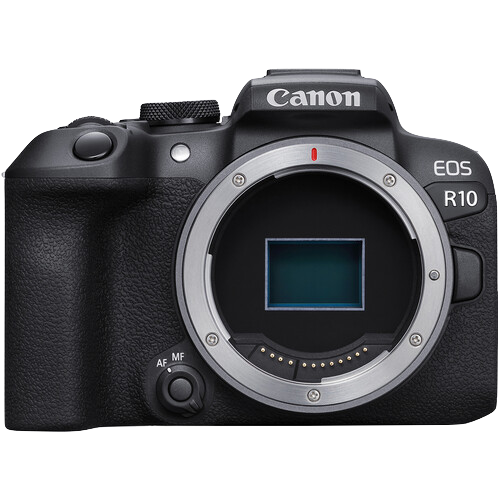
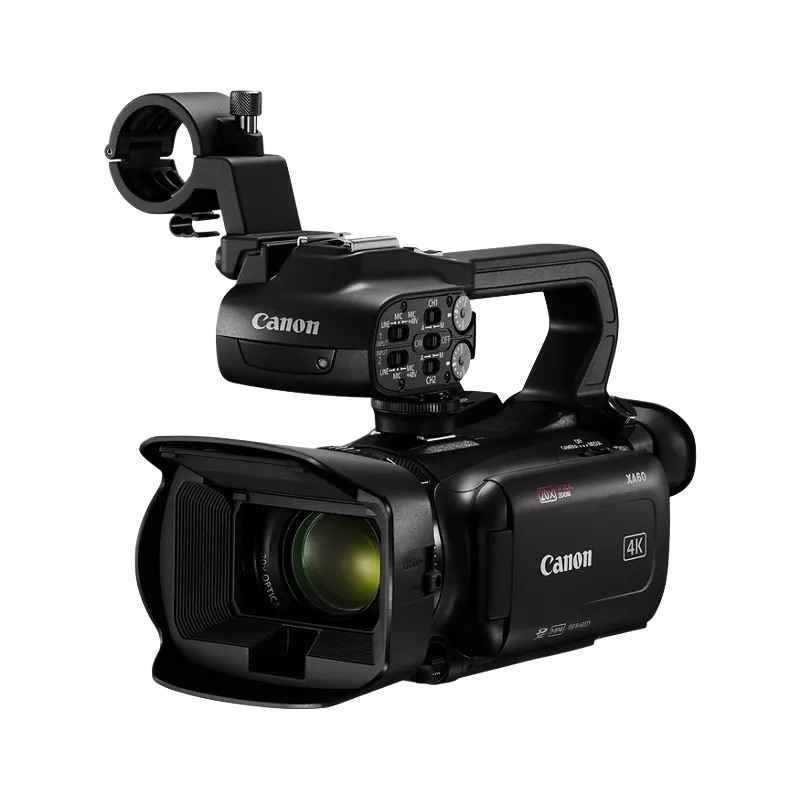
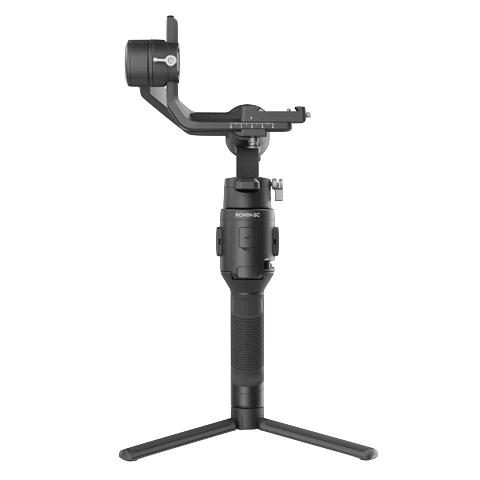
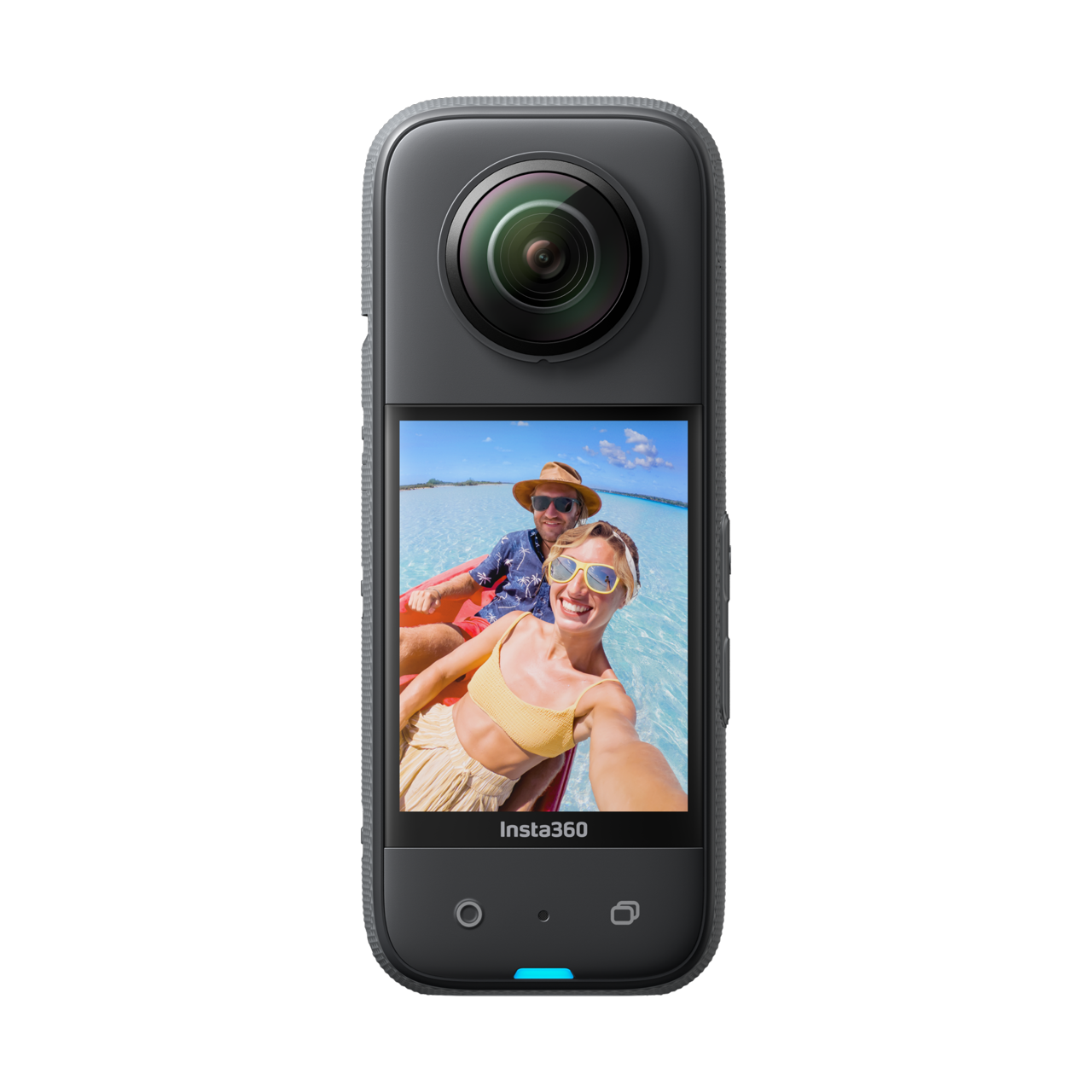
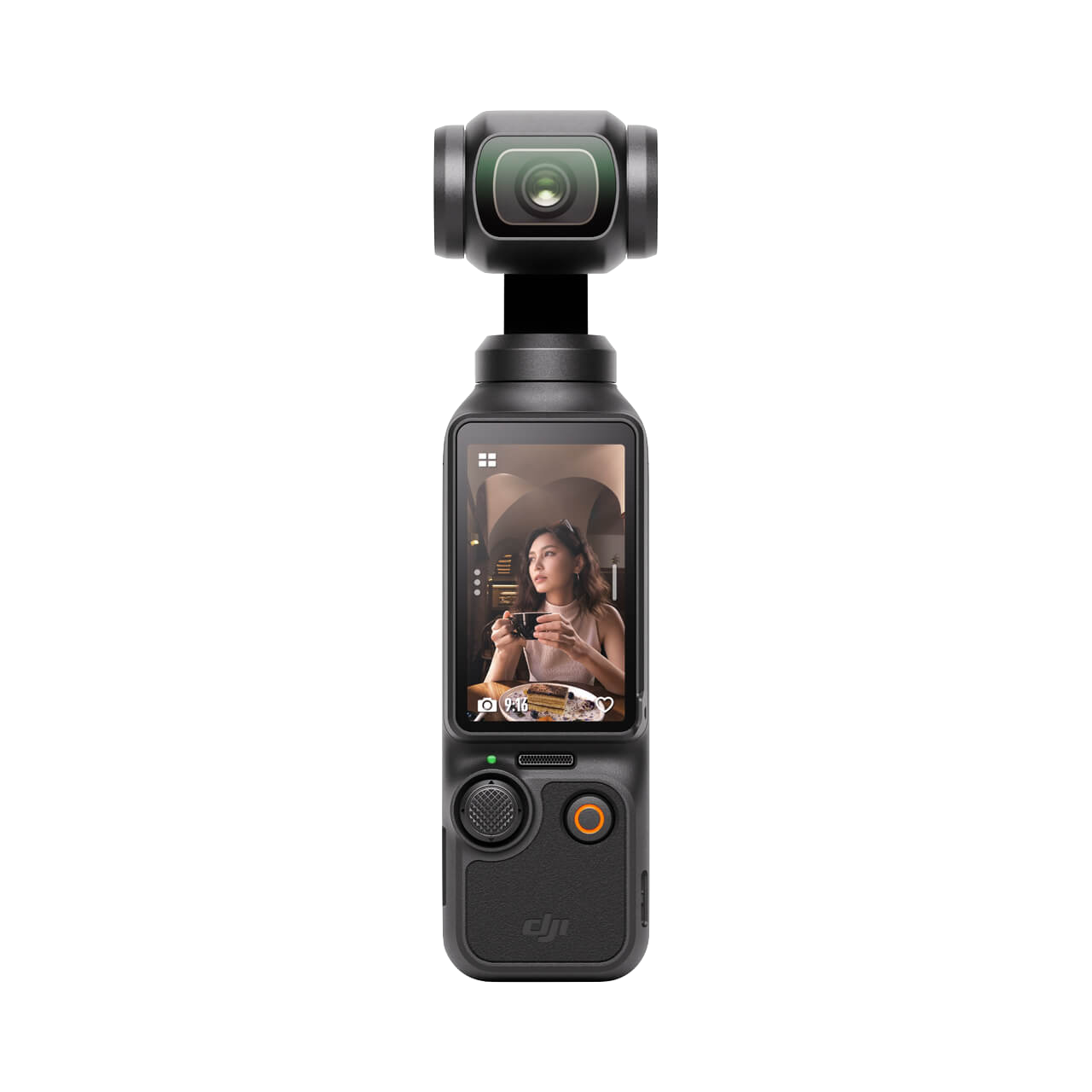
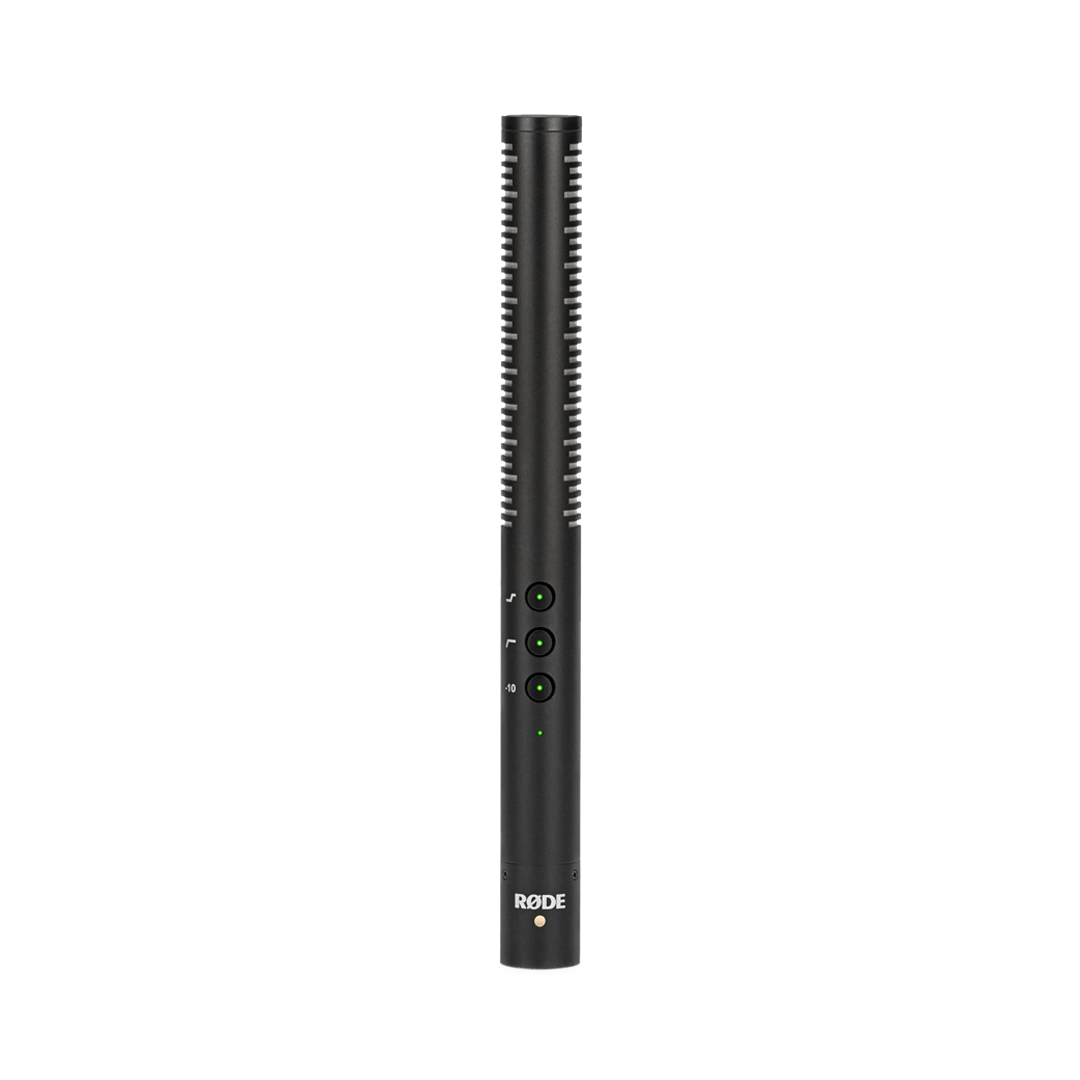
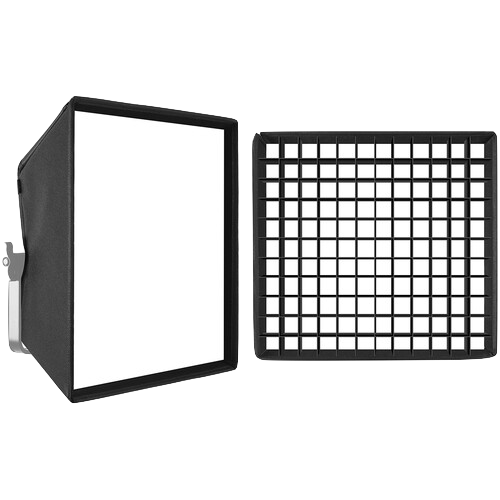
This is not a program where students only talk about media. They make it. They work with cameras, lights, microphones, editing systems, graphics software, studio equipment, and production workflows used in the field.
Why Digital Media Arts?
The Bachelor of Arts in Digital Media Arts is an interdisciplinary degree program created for students interested in media production, storytelling, design, audio, performance, sports production, and creative technology. It was built to meet students where the media field is today, while preparing them for where the industry is going.
Southern University created this program because media careers no longer fit into one narrow lane. Content is now produced for screens, streams, stages, social platforms, stadiums, studios, classrooms, businesses, and digital spaces.
Project‑Based Learning
Students practice, create, revise, and present their work. They learn what it takes to be prepared, meet deadlines, and work as part of a production team.
Broad Foundation
The program connects storytelling, production, design, audio, sports, performance, and emerging digital tools into one flexible degree.
Representation Matters
Students are encouraged to create work that reflects who they are, where they come from, and the communities they represent.
B.A. Digital Media Arts
A broad foundation across production, storytelling, editing, visual media, audio, sports, performance, and emerging tools. Ideal for students with multiple interests.
View degree plan →Digital Screen Arts Production
Film, video, directing, cinematography, editing, screenwriting, producing, and visual storytelling.
Learn more →Recording Arts
Sound, music production, podcasting, audio engineering, live sound, voice recording, and post‑production audio.
Learn more →Visual Arts & Motion Graphics
Digital design, animation, motion graphics, visual branding, digital imaging, and creative content for screens and social platforms.
Learn more →Digital Performance Fusion
Performance, media, movement, storytelling, and creative work that blends live performance with digital tools.
Learn more →Digital Sports Production
Sports media, live event production, camera operation, replay, graphics, directing, producing, streaming, and sports storytelling.
Learn more →Degree Structure
Students complete general education, Digital Media Arts core courses, concentration or general path courses, electives, an internship, and a capstone portfolio project.
Advising
Meet with an advisor each semester to choose the right path, follow the correct course sequence, prepare for internships, and stay on track for graduation.
Portfolio Preparation
Keep examples of your work from the beginning. Class projects, short videos, audio, graphics, performances, and sports content can become part of a growing portfolio.
Advising Reminders for Students
- Meet with an advisor before registration each semester.
- Ask about course sequencing before changing concentration.
- Keep copies of major projects for portfolio review.
- Talk early about internships, career interests, and graduate school.
- Ask questions if you are unsure which path is best for you.
Featured Spaces
- TV Studio and Control Room
- Digital Editing Lab
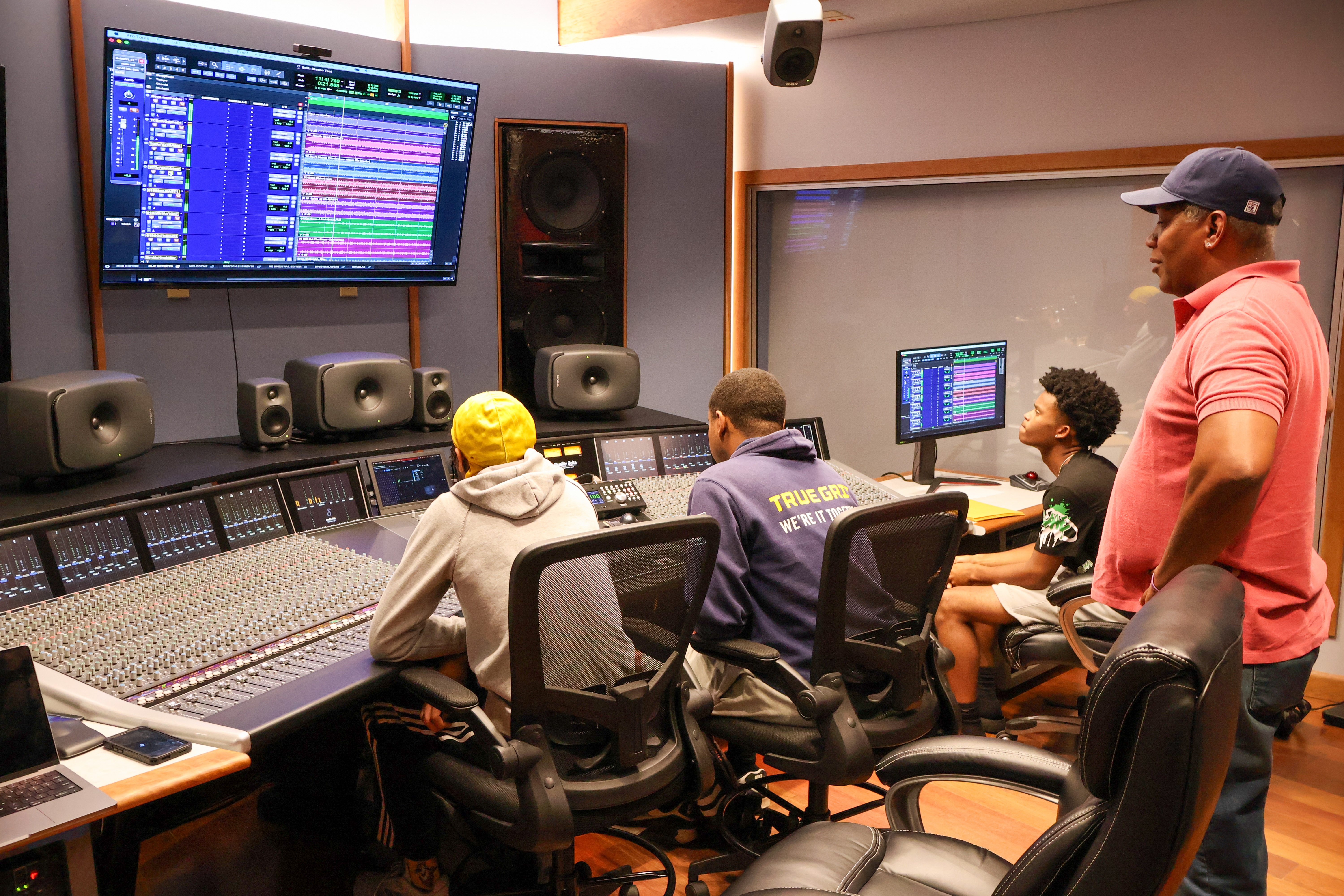
- Recording and Audio Production Spaces
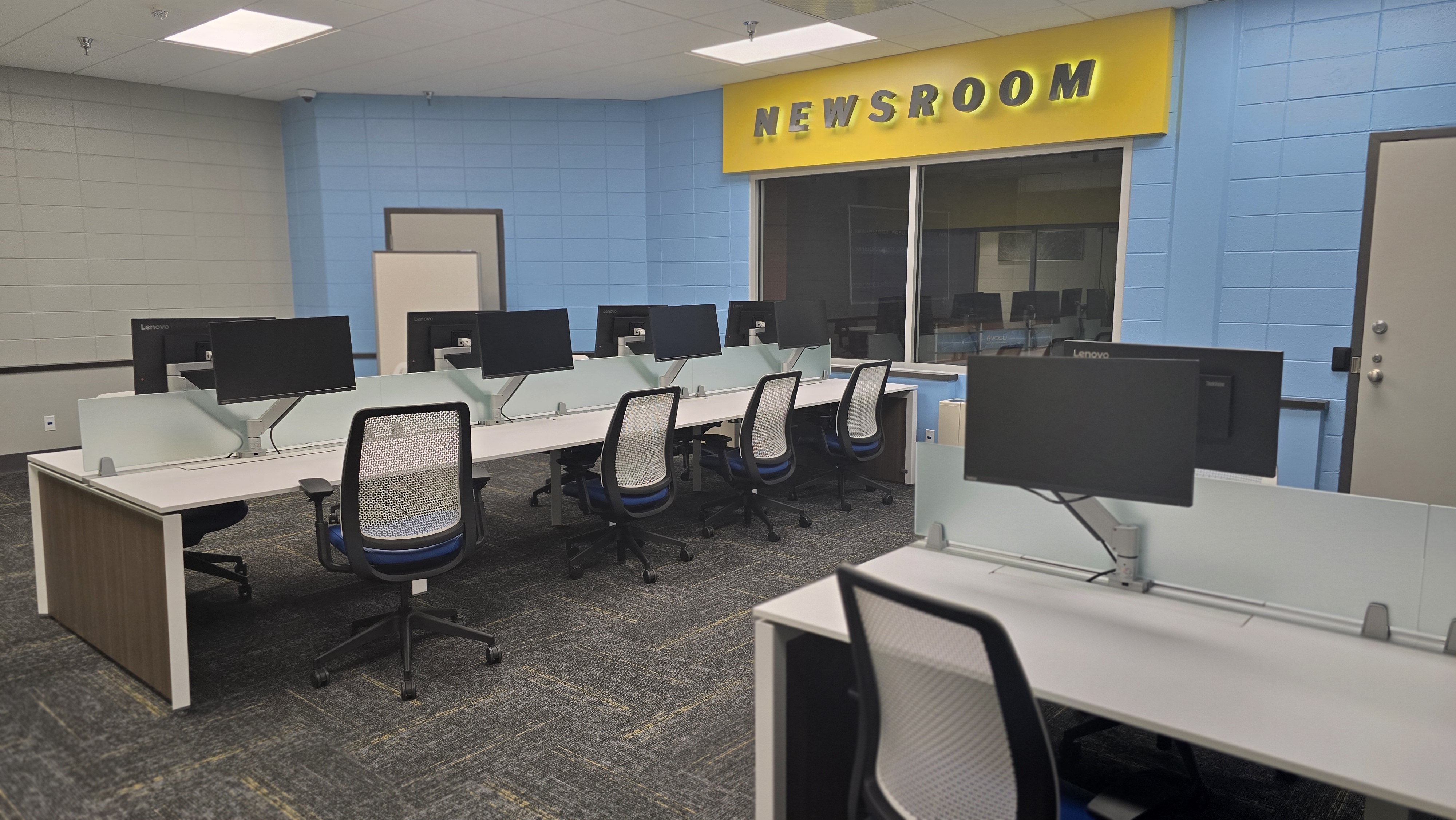
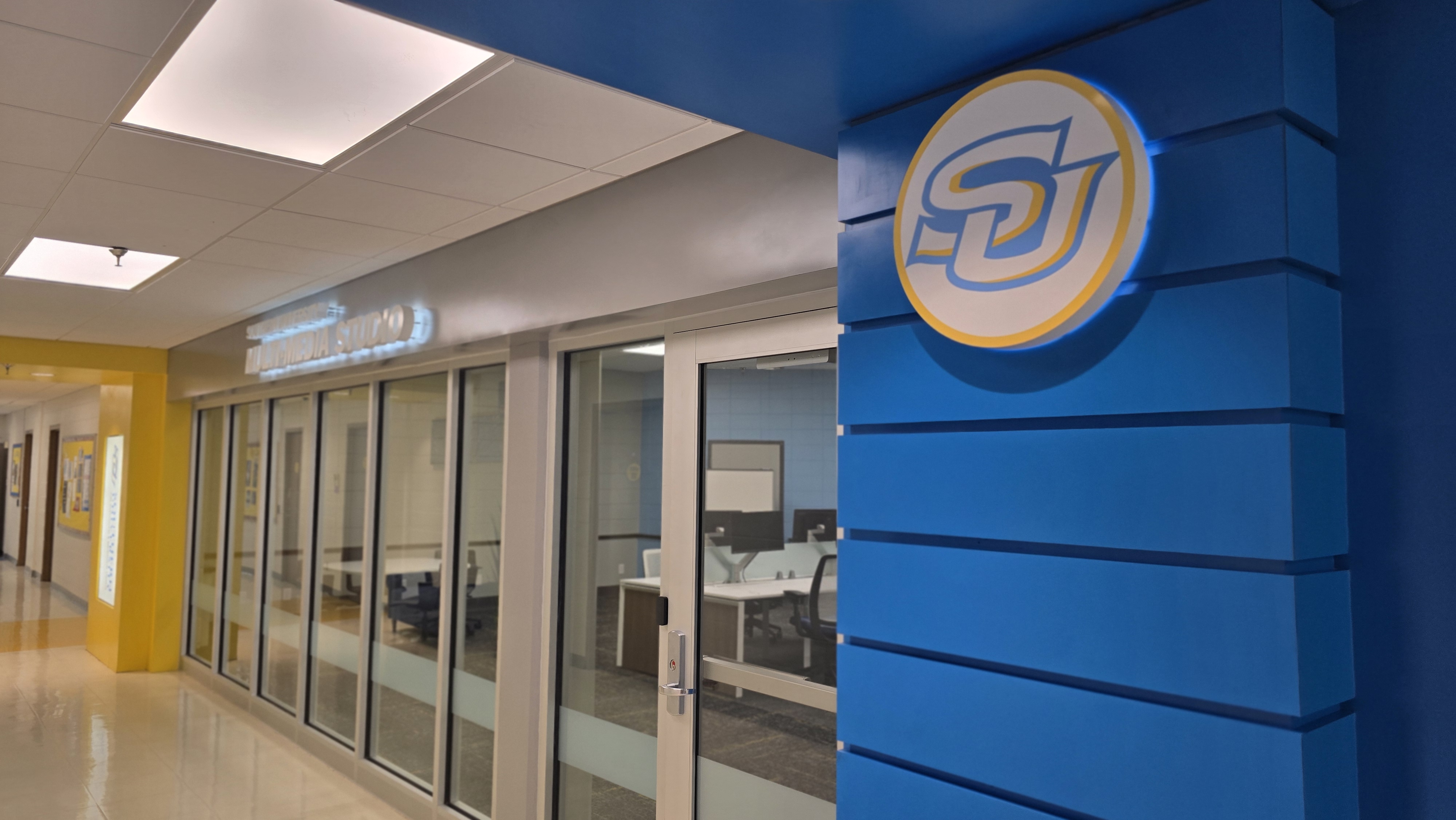
- Newsroom and Content Production Areas
- Sports and Live Production Technology
- Visual Design and Motion Graphics Tools
- Live Production, Streaming, and Campus Event Support
Class Projects
Short films, audio projects, graphics, live productions, sports content, social media campaigns, interviews, and performance pieces.
Campus Media & Live Events
Students contribute to campus productions, athletics broadcasts, and live event coverage, gaining real‑world experience.
Industry Connections
Guest speakers, workshops, symposiums, and campus partnerships help students see what is possible and build professional networks.
Film & Video
Producer, editor, camera operator, director, content creator, filmmaker, and creative director.
Audio & Recording
Audio engineer, podcast producer, sound designer, radio producer, music technology assistant, and studio technician.
Sports & Live Events
Technical director, replay operator, graphics operator, streaming producer, sports videographer, and live event crew.
Internship & Portfolio Reminders
- Begin saving work samples early in the degree.
- Create a simple online portfolio or reel when advised.
- Seek internships that match your degree path or career goal.
- Use campus projects as practice for professional expectations.
- Ask faculty and advisors about local, regional, and national opportunities.
DMA Symposium
Photos, speakers, agenda, and student highlights from our annual gathering.
View recap →Student Projects
Videos, graphics, audio pieces, behind‑the‑scenes work, and capstone projects.
Explore work →Program News
Partnerships, guest speakers, facility updates, and student achievements.
Read more →Choosing a degree program is a major decision. Digital Media Arts at Southern gives students a serious academic path while helping them build practical skills connected to creative careers.
Students in this program learn more than how to use equipment. They learn responsibility, teamwork, communication, planning, problem‑solving, and professional discipline. Media production requires students to show up prepared, meet deadlines, work with others, and finish what they start.
Families should know that Digital Media Arts is a guided program. Students follow a degree plan, receive advising, choose a general path or concentration, and work toward internships and portfolio development.
What Families Should Know
- Students receive advising to help them follow the correct degree path.
- The program connects creativity with hands‑on production and career preparation.
- Students are encouraged to build portfolios and seek internships.
- Strong attendance, teamwork, deadlines, and communication are part of the learning process.
- Students can choose a general path or a concentration based on their goals.
You do not have to enter the program knowing everything. What matters is that you are willing to learn, practice, create, and grow. This program gives you the chance to explore different parts of the media field while building skills that can lead to real opportunities.
At Southern, your voice matters. Your creativity matters. Your story matters. Digital Media Arts is here to help you develop your talent, sharpen your skills, and prepare for the future you want to build.
Good Questions to Ask
- What kind of media do I enjoy creating or want to learn how to create?
- Do I want a broad path or a specific concentration?
- What projects do I want to have in my portfolio by graduation?
- What internships or careers interest me?
- Who should I contact before applying or changing my major?
Support for Digital Media Arts helps create stronger learning experiences for students. Gifts and partnerships can support equipment, scholarships, student projects, guest speakers, internships, travel, workshops, symposiums, and creative learning spaces.
When you support Digital Media Arts, you support Southern students who are preparing to become creators, storytellers, producers, designers, performers, and media professionals.
Possible Support Areas
- Student scholarships
- Equipment & software
- Student creative projects
- Guest speakers & workshops
- Internship opportunities
- Travel to conferences & festivals
- Studio & lab upgrades
Contact Digital Media Arts
Students, parents, partners, and community members are encouraged to reach out. Future students can ask about the program, concentrations, admissions, and how to get started. Current students can find advising and program support.
Email: dmad@sus.edu
Phone: (225) 771‑5686
Location: Stewart Hall, Baton Rouge, LA 70813
Office hours by appointment.